Democracy Day Protest Tensions Mount as President Tinubu Addresses National Assembly
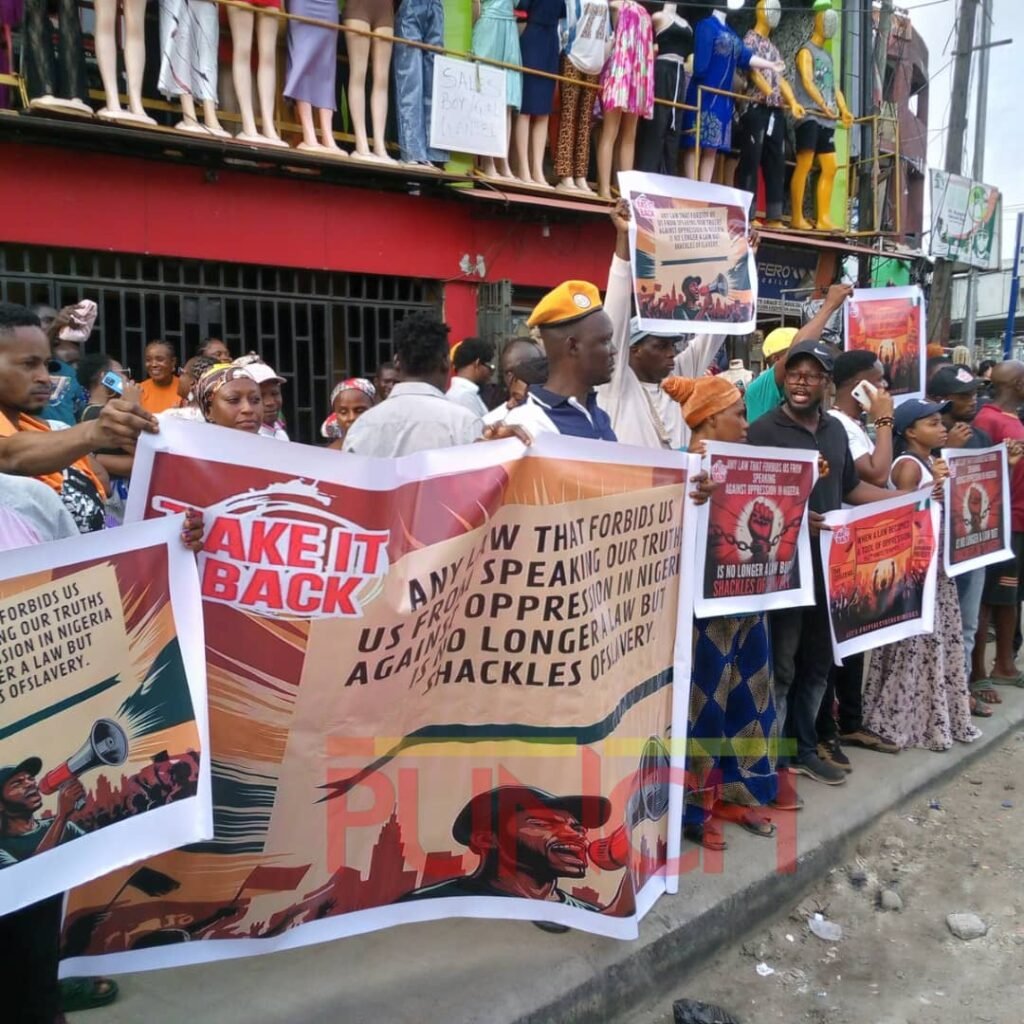
A potentially volatile confrontation looms on Thursday with the “Take It Back” Movement organizing mass protests across Abuja’s National Assembly—and 19 additional locations countrywide—to mark Nigeria’s Democracy Day. President Bola Tinubu will address a joint session of the Senate and House today instead of via a national broadcast, cancelling his usual June 12 address in deference to the parliamentary session signals an unorthodox shift in national commemoration.
Security agencies, including the police, have heightened alerts and deployed forces around planned demonstration sites. The organisers—supported by civil society leaders—say they aim to spotlight two years of perceived “misrule, economic hardship, and insecurity” under Tinubu’s government.
Juwon Sanyaolu, Take‑It‑Back’s National Coordinator, emphasized the constitutional right to protest at the National Assembly, a symbolic venue he claims embodies citizens’ power. He urged Nigerians to use the day to demand accountability from the presidency, legislature, and judiciary, describing the economic and security situation as unbearable.
Despite reported intimidation and arrests of protest coordinators in Lagos, Bauchi, Edo, and Gombe, the movement remains resolute. Michael Adenola, the Federal Capital Territory’s mobilization director, highlighted widespread youth anger over unemployment, insecurity, and underfunded public services. He and other organisers urged law enforcement to respect peaceful assembly rights and avoid military-grade responses.
Police commands nationwide have responded with varying approaches—from dialogue offers in Bauchi and Delta to stern reminders about maintaining public safety in Sokoto and Yobe. The Nigerian Bar Association’s Ikeja branch has formally warned Lagos State Police to legally protect protesters under the Police Act 2024.
Rallies are scheduled in over 20 cities—Abuja, Lagos suburbs, Benin City, Osogbo, Damaturu, Ibadan, Bauchi, Minna, and more—all set to launch between 7:00 am and 9:00 am. Meanwhile, some pro-democracy coalitions in Kano and Kwara are opting for public lectures and training workshops instead of street protests, citing concerns over political hijacking and security risks.