In a historic move, the United States Supreme Court has bolstered presidential authority by allowing former President Donald Trump’s executive order to end automatic birthright citizenship to proceed, while also curbing the power of lower courts to issue nationwide injunctions against executive actions.
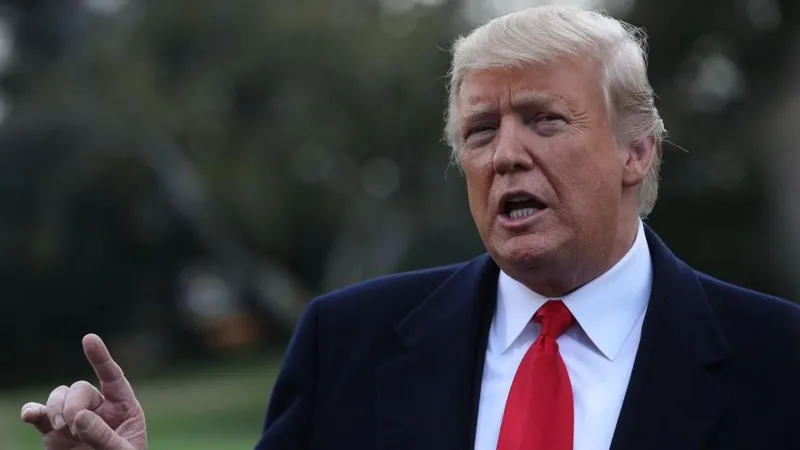
Speaking from the White House, a triumphant Donald Trump called the decision a “big, amazing decision” and a “monumental victory for the Constitution, the separation of powers, and the rule of law.”
End of Birthright Citizenship Now in Sight
The ruling grants the Trump administration temporary approval to end birthright citizenship — the constitutional guarantee of citizenship to anyone born on US soil — which has been a longstanding target of Trump’s immigration agenda. The policy is set to take effect in one month, though legal battles are expected to intensify.
The decision does not eliminate legal challenges entirely. In the majority opinion, Justice Amy Coney Barrett acknowledged the harm claimed by state governments and left the door open for narrower, localized injunctions. She wrote that it’s up to lower courts to assess whether more tailored legal remedies are appropriate in upcoming cases.
Many Democratic-led states, which oversee the issuance of birth certificates and typically do not record parents’ immigration status, are unlikely to comply with Trump’s policy changes, setting up further conflict.
Trump Celebrates Victory
Calling the previous policy a “birthright citizenship hoax,” Trump praised the Supreme Court’s ruling as a blow to what he described as immigration system “scamming.” His attorney general, Pam Bondi, confirmed that the final constitutional decision on the matter will be reviewed in the Court’s October session.
Protests erupted outside the Supreme Court following the announcement. Among them was Olga Urbina, seen holding her infant son and a sign reading, “American born children are American children,” symbolizing the human impact of the proposed change.
Court Limits Federal Judges’ Power
Beyond immigration, the Court’s ruling significantly reshapes the legal landscape by limiting the ability of federal district judges to block presidential orders nationwide — a tool frequently used during both Democratic and Republican administrations.
Trump noted that his administration can now “properly file to proceed with policies that have been wrongly enjoined,” referencing over two dozen executive actions previously blocked by lower courts. These included cuts to foreign aid, changes in diversity and employment programs, and alterations to voting processes.
During the Obama and Biden presidencies, similar legal hurdles stalled initiatives such as student loan forgiveness, climate regulations, and reforms to immigration enforcement. With this new precedent, future presidents will enjoy more freedom to act before their policies can be challenged at higher court levels.
What’s Next?
While the ruling enhances short-term presidential power, it does not shield executive orders from future legal scrutiny. The Supreme Court emphasized that lower courts must still ensure any injunctions meet legal standards and principles of fairness.
For now, the decision represents a seismic shift in the balance between judicial oversight and executive action — one that President Trump and any future president will likely use to their full advantage.