US Judge Clears Deportation to South Sudan Despite Human Rights Warnings
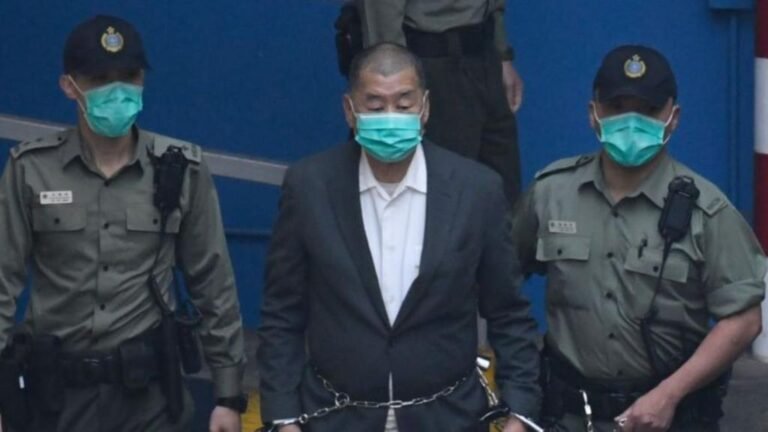
Eight men held by US immigration authorities have lost a last-ditch legal appeal against their deportation to South Sudan, a country long condemned for extrajudicial killings, torture, and armed conflict.
The ruling by Judge Brian Murphy of Boston came late Friday after a day of intense legal back-and-forth. He denied an emergency request to halt the deportation, clearing the way for the detainees to be flown from a US military base in Djibouti to South Sudan by 7pm ET (23:00 GMT).
🛑 Who Are the Deportees?
The men are immigrants from Cuba, Laos, Mexico, Myanmar, Vietnam, and one South Sudanese national. All have been convicted of violent crimes, including murder and sexual assault, according to US Homeland Security officials.
The Trump administration, which resumed mass deportations in its second term, describes them as “barbaric, violent criminal illegal aliens.” In a press release, DHS spokesperson Tricia McLaughlin stated bluntly:
“These sickos will be in South Sudan by Independence Day.”
🧾 The Legal Battle: Human Rights vs. National Security
The legal team for the deportees argued that removing them to South Sudan constitutes “cruel and unusual punishment” under the US Constitution, citing the State Department’s travel advisory and reports of systemic abuse in the country.
Judge Randolph Moss in Washington, DC initially paused the deportation Friday afternoon, stating:
“It seems to me almost self-evident that the United States government cannot take human beings and send them to circumstances in which their physical wellbeing is at risk simply either to punish them or send a signal to others.”
However, Moss later transferred the case back to Judge Murphy, whose past rulings had been overruled by the US Supreme Court, which gave the Trump administration the green light for deportation.
The Supreme Court has now twice ruled that the men can be deported to third countries even if those are not their countries of birth.
🌍 International Reaction and Risk
Human rights organizations have condemned the deportations, warning that South Sudan’s conflict zones pose a grave threat to the men’s lives. The US State Department has explicitly advised against travel to South Sudan, citing:
- Extrajudicial killings
- Enforced disappearances
- Torture
- Risk of war-related civilian casualties
Despite this, the Trump administration insists the removals are necessary to protect national security and uphold immigration law.