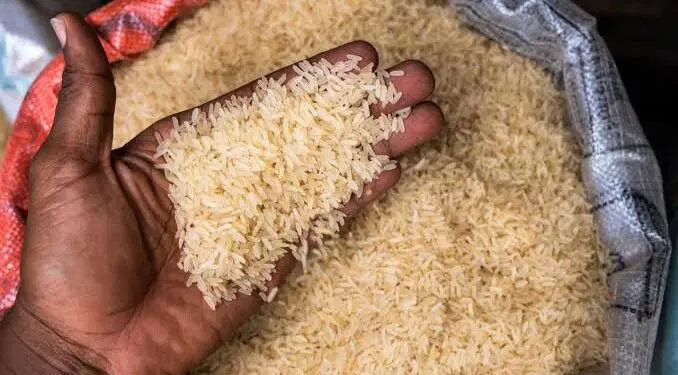
Rice prices in Nigeria have skyrocketed back to ₦100,000 per 50kg bag, reversing the brief relief seen six months ago, and sparking widespread concern over hunger, economic pressure, and agricultural policy missteps.
Key Causes Identified:
- End of Duty-Free Import Window:
- The 150-day import duty waiver allowed a few big firms to bring in massive rice quantities, temporarily lowering prices.
- That program has now ended, and prices have surged.
- Allegations of Secrecy and Favoritism:
- Millers allege only three politically connected firms received import waivers.
- Many legitimate local producers were excluded, deepening inequality and frustration.
- Policy Contradictions:
- While the government promotes local agriculture on one hand, it allows cheap imports through waivers on the other — undercutting farmers and millers.
- There’s no transparency or public record of who got waivers or why.
- Local Production Challenges:
- Insecurity, high costs of input (e.g. fertilizer, electricity), unstable FX, and poor government support have crippled local rice millers.
- Many mills have shut down; others operate far below capacity.
- Smuggling Worsens the Crisis:
- An estimated 1 million metric tonnes of rice has been smuggled into Nigeria so far in 2025.
- Smuggled rice is cheaper and hurts domestic production.
The Bigger Picture:
- Food Security in Jeopardy:
Over 30 million Nigerians face acute hunger (FAO). The rise in rice prices worsens this crisis — rice is a staple food, and its scarcity or unaffordability is a national emergency. - Government Silence & Lack of Coordination:
- The Ministries of Agriculture and Finance have not publicly addressed the worsening situation or provided clarity.
- There’s no real-time market response, relief program, or price stabilization effort.
- Farmer & Youth Disengagement:
- Farmers have unsold inventory.
- Disillusioned youths may abandon agriculture or turn to crime.
- Public and private investments in agriculture are being wiped out.
What Needs to Happen Now:
- Full Disclosure:
- Publish the list of waiver beneficiaries and volumes imported.
- Establish transparency to rebuild trust.
- Coordinated Policy Response:
- Ministries of Agriculture, Finance, Customs, and CBN must align.
- Prevent contradictory policies from harming local food systems.
- Market Stabilization Measures:
- Reintroduce buffer stock schemes and minimum price guarantees.
- Buy unsold paddy from farmers.
- Launch emergency support programs for millers and farmers.
- Crack Down on Smuggling:
- Strengthen border enforcement.
- Conduct audits and publicly report smuggling estimates.
- Strategic Long-Term Planning:
- Prioritize irrigation, mechanization, and input support.
- Promote self-sufficiency over dependence on imports.