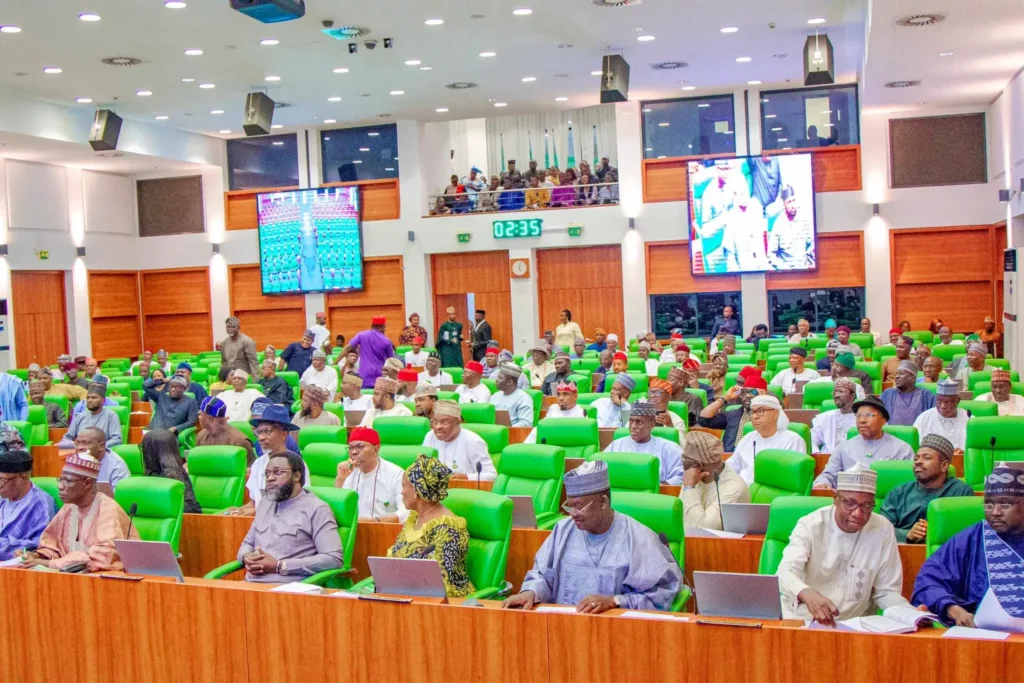
As Nigeria prepares for another round of constitutional amendments, one issue dominating public discourse is the demand for new states. Despite receiving 46 memoranda for state creation and 117 proposals for new local governments, the House of Representatives Constitution Review Committee confirmed that none of the state requests meets the constitutional threshold for consideration.
Geopolitical Breakdown: North-Central Tops the Chart
According to the committee, chaired by Deputy Speaker Benjamin Kalu, the North-Central geopolitical zone submitted the highest number of state creation proposals (12), followed by the South-West (8), while the South-East and North-East had six requests each.
This surge in agitation cuts across ethnic and regional lines, reflecting grievances over marginalisation, cultural identity, and economic access.
Why Nigerians Are Demanding New States
- Political Marginalisation: Minority groups feel overshadowed in their current states. The Okun people in Kogi West, for instance, say they are politically sidelined.
- Governance Accessibility: Vast rural communities argue they are too distant from capital cities, making state administration ineffective.
- Cultural Autonomy: Groups like the Ijebu in Ogun and Adada in Enugu seek to preserve their cultural identities through statehood.
- Administrative Efficiency: Proponents claim smaller states can fast-track development and improve public service delivery.
The Legal Wall: Why All 46 Proposals Failed
Section 8 of Nigeria’s 1999 Constitution lays out five key requirements for creating a new state:
- Two-thirds endorsement by federal lawmakers from the affected area
- Two-thirds approval from State Houses of Assembly and Local Government Councils
- Referendum supported by two-thirds of registered voters in the area
- Majority approval by all Nigerian states
- Two-thirds support from both chambers of the National Assembly
None of the current proposals satisfied all five conditions. Many lacked legislative backing, proper cartographic documentation, and evidence of voter support.
What Lawmakers Are Saying
- Hon. Obi Aguocha (LP, Abia) backed Aba State for its population and revenue-generating capacity.
- Hon. Usman Zanna (APC, Borno) advocated Savannah State, citing Southern Borno’s inaccessibility.
- Hon. Yusuf Gagdi (APC, Plateau) cautioned against sentiment, urging strict adherence to the Constitution.
- Hon. Sada Soli (APC, Katsina) warned of financial strain: “We are barely funding the 36 existing states.”
- Hon. Oluwole Oke (PDP, Osun) argued for fiscal federalism over state creation.
Proposals by Region (Examples)
- Aba State (South-East) – Economic hub in Abia
- Savannah State (North-East) – Southern Borno development push
- Oil River State (South-South) – Ijaw-speaking communities across Bayelsa, Rivers, Delta
- Tiga State (North-West) – To ease administrative pressure on Kano State
Can Nigeria Afford More States?
Critics say more states mean:
- More political appointees and public servants
- Higher pressure on federal allocations
- Increased bureaucratic duplication
Supporters counter that existing states aren’t economically viable either, and governance—not geography—drives development.
The Path Forward
The House Committee will continue vetting proposals, but given that none currently meets constitutional criteria, chances of immediate state creation are low. Still, the agitations reflect deep dissatisfaction with Nigeria’s federal structure.
Deputy Speaker Kalu noted:
“Each request will be evaluated on merit—not sentiment.”