Can the Coalition Repeat 2015? A Reality Check
✅ Points in the Coalition’s Favor:
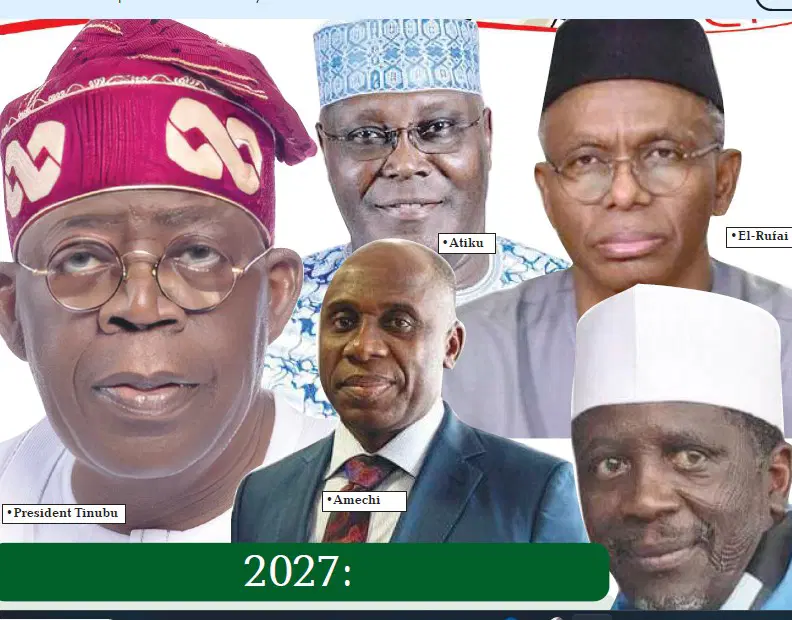
- Broad Base of Big Names: Atiku Abubakar, Peter Obi, Rabiu Kwankwaso, Rotimi Amaechi, Nasir El-Rufai, and David Mark have national name recognition and draw support from multiple regions and blocs.
- Public Discontent: There’s widespread frustration over hardship, inflation, insecurity, and perceived executive arrogance under Tinubu. If properly harnessed, this can become political capital.
- Historical Precedent: The APC itself was born out of a similar opposition coalition that successfully displaced a ruling party — proving such a feat is possible.
- Tinubu’s Slim Mandate: In 2023, Tinubu won with only 37% of the vote. A united opposition controlling a theoretical 55% of the 2023 votes (Atiku + Obi) could pose a real threat if truly unified.
❌ Stumbling Blocks for the Coalition:
- Disunity and Fragmentation:
- Multiple factions within PDP and LP remain unreconciled.
- Obi hasn’t fully embraced the ADC platform.
- Others, like Sule Lamido, plan to stay in PDP while “supporting” ADC, which is untested strategy.
- NNPP is notably absent from full engagement.
- Internal Ambitions and Rivalries:
- Who gets the presidential ticket — Atiku, Obi, or someone else?
- The coalition risks implosion if top aspirants don’t step down for one another, as seen in past Nigerian political alliances.
- Perception of Opportunism:
- Critics argue the coalition merely “hijacked” a moribund ADC instead of building a credible new platform — undermining public trust and organizational clarity.
- State Power and Incumbency:
- The APC now controls 23 governors, 70 senators, and a strong majority in the House.
- Federal influence, security agencies, and institutional muscle could be used to shape outcomes, as alleged in past elections.
- Harassment and Infiltration Allegations:
- LP and ADC have raised alarms over harassment and infiltration by state-aligned actors, which could destabilize their organizations before the polls.
- Electoral Structure:
- INEC’s stance on LP factions, and whether it recognizes ADC’s new leadership, could affect ballot access, legitimacy, and campaign planning.
⚖️ Neutral Observations & Key Questions:
- Will ambition override ideology? The coalition risks collapse if aspirants don’t subjugate personal ambition to a collective vision — which hasn’t happened yet.
- Can they offer a clear, unified agenda? Just saying “Tinubu is bad” won’t win elections. The coalition needs a credible, alternative national vision.
- Will the public buy the repackaging of old faces? Many of the coalition leaders are recycled elites. Will voters see them as reformers or power seekers?
- Can the opposition withstand state pressure? Alleged EFCC pressure, media suppression, or institutional manipulation could skew the field.
🧩 Conclusion:
The ADC coalition could pose a serious challenge to Tinubu — but only if it achieves full unity, resolves internal disputes, and presents a clear, compelling alternative agenda. Otherwise, it risks being another footnote in Nigeria’s long history of failed alliances.
Odds of repeating 2015’s feat?
Right now, low to moderate — unless they rapidly unify and galvanize public trust.
Would you like a side-by-side comparison of 2015 vs 2027 coalition dynamics or a SWOT analysis of the ADC alliance?