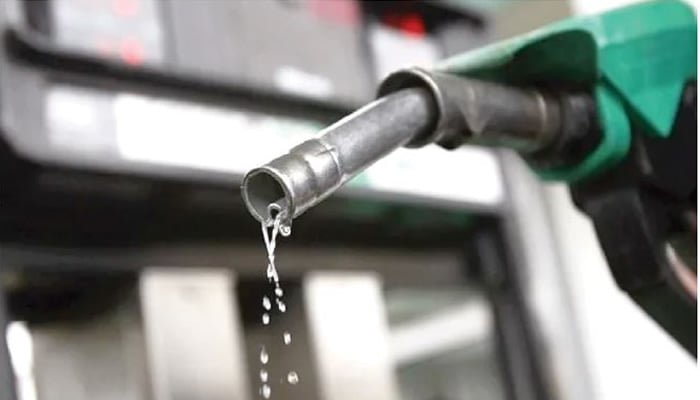
ABUJA — Nigerians are bracing for severe hardship as the Petroleum and Natural Gas Senior Staff Association of Nigeria (PENGASSAN) launched a nationwide strike on Monday, September 29, 2025. The industrial action threatens to unleash fuel scarcity, soaring petrol prices, and crippling blackouts.
The union ordered an immediate halt to crude oil and gas supplies to the Dangote Petroleum Refinery, sparking fears of widespread market disruption. Oil marketers warned the strike could destabilise distribution, force pump price hikes, and trigger galloping inflation.
At the same time, power generation companies (GenCos) confirmed a shutdown of all thermal plants, which account for more than 70% of Nigeria’s power supply. This development raises the risk of nationwide blackouts, stretching hydro stations beyond capacity and threatening economic paralysis.
Why PENGASSAN is on Strike
The strike follows the dismissal of over 800 Nigerian workers at the Dangote Refinery. PENGASSAN accused the company of violating labour laws and International Labour Organisation conventions by sacking unionised staff and replacing them with foreigners.
“All processes involving gas and crude supply to Dangote Refinery should be halted immediately,” the union declared in a resolution signed by its General Secretary, Lumumba Okugbawa.
PENGASSAN President Festus Osifo confirmed on Channels Television that the refinery and fertiliser plant had already shut down, though the diesel unit was still running. “We will not surrender unless the affected workers are reinstated,” he insisted.
Marketers and GenCos Raise Alarm
The Independent Petroleum Marketers Association of Nigeria (IPMAN) warned that the crisis could erode investor confidence and trigger pump price hikes.
“There is no market stability and no return on investment,” IPMAN’s Publicity Officer, Chinedu Ukadike, said. “Unless the Federal Government intervenes swiftly, Nigerians should expect fuel scarcity and worsening inflation.”
He urged the Minister of Petroleum to abandon his foreign trip and return to broker peace.
Similarly, the Association of Power Generation Companies (APGC) confirmed that gas suppliers had instructed thermal plants to shut down, warning of “imminent darkness” as hydropower alone cannot sustain the grid.
Dangote Fires Back
In its response, the Dangote Group accused PENGASSAN of sabotage and pursuing selfish interests. The refinery said the layoffs were due to “safety and efficiency concerns,” not anti-union victimisation, and stressed that it remains the largest private employer of labour in Nigeria.
“The strike order is reckless, lawless, and dangerous,” the company said, adding that over 3,000 Nigerians are still employed at the refinery.
Stakeholder Reactions
- The Trade Union Congress (TUC) backed PENGASSAN, demanding reinstatement of sacked workers, a public apology, and an independent probe.
- The Forum of Concerned Nigerian Consumers accused the union of politicising the dispute, warning of dire consequences for ordinary Nigerians.
- The Nigerian Independent System Operator cautioned that prolonged disruption could destabilise the grid and trigger collapse.
Government Intervention
Labour Minister Muhammad Dingyadi appealed to PENGASSAN to suspend its strike, warning of severe revenue losses and hardship for Nigerians. An emergency meeting has been convened between the union and Dangote management in Abuja.
Analysts warn that unless dialogue prevails, the strike could destabilise fuel supplies, trigger blackouts, and worsen Nigeria’s fragile economic outlook.