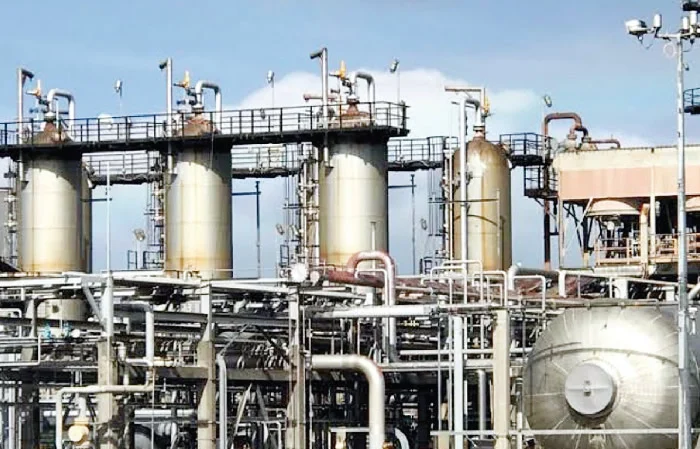
Concerns over possible electricity shortages are rising across Nigeria following the announcement of scheduled maintenance by Seplat Energy, which is expected to disrupt gas supply to major power plants nationwide.
The Nigerian Independent System Operator (NISO) has warned that at least seven power stations will experience gas constraints between February 12 and 15, 2026, raising fears of temporary blackouts.
Seven Power Plants Face Gas Constraints
In a public notice, NISO confirmed that the maintenance would reduce gas flow into the NNPC Gas Infrastructure Company pipeline network, limiting thermal power generation.
Power plants expected to be affected include:
- Egbin Power Plant
- Azura-Edo Power Plant
- Transcorp Power Ughelli Plant
- Sapele Power Station
- NDPHC Sapele
- Olorunsogo
- Omotosho
NISO said the disruption could reduce national generation capacity by about 934.96 megawatts, nearly 20 per cent of available power supply.
Grid Stability Measures Announced
The operator assured Nigerians that it is implementing emergency measures to maintain grid stability.
“Any load shedding, if required, will be implemented in a structured, transparent, and equitable manner,” NISO stated.
Critical infrastructure, hospitals, and security facilities will be prioritised if power rationing becomes necessary.
NNPC and Seplat Confirm Maintenance Exercise
In a joint statement, Nigerian National Petroleum Company Limited (NNPC Ltd) and Seplat confirmed that the shutdown is part of routine safety and asset maintenance.
According to Seplat, the exercise is aimed at ensuring long-term reliability and preventing unplanned system failures.
“This planned activity forms part of standard industry safety and asset integrity protocols,” the company said.
Both companies added that alternative gas suppliers are being engaged to reduce the impact on electricity generation.
Nigeria’s Heavy Dependence on Gas Power
Nigeria’s electricity sector remains heavily reliant on gas-fired power plants, which account for more than 70 per cent of installed capacity.
Despite having Africa’s largest gas reserves, persistent challenges such as:
- Pipeline vandalism
- Infrastructure maintenance
- Payment arrears
- Transmission failures
continue to undermine stable power supply.
Industry data show that while installed capacity exceeds 13,000MW, actual generation often remains below 5,000MW.
Experts Criticise Poor Planning
Reacting to the development, PowerUp Nigeria executive director Adetayo Adegbemle criticised the lack of strategic planning.
“This announcement shows our inability to plan ahead,” he said.
Adegbemle called for the establishment of gas storage facilities and strategic reserves to cushion the impact of routine maintenance.
Impact on Consumers
For many Nigerians, the technical explanations translate into:
- Increased generator usage
- Higher fuel costs
- Reduced productivity
- Disrupted daily life
Analysts warn that without stronger infrastructure planning, similar disruptions will continue to occur.
Reforms and Ongoing Challenges
As Nigeria implements reforms under the Electricity Act and seeks private investment, experts say reliable gas infrastructure remains central to power stability.
The latest maintenance exercise highlights a recurring reality: Nigeria’s electricity supply is inseparably linked to the performance of its gas supply network.
With full gas supply expected to resume on February 16, 2026, consumers remain hopeful that disruptions will be minimal.