Procurement delays, worsening insecurity, and rising costs of goods and services have forced several Nigerian state governments to fall behind on their capital expenditure targets, according to findings from second-quarter Budget Implementation Reports.
Despite ambitious budgetary provisions meant to accelerate infrastructure growth, capital spending across many states remained significantly below expectations in the first six months of 2025.
A review of government expenditure between January and June revealed that 31 states collectively disbursed ₦2.75 trillion for capital projects. However, this figure represents just a fraction of the ₦17.51 trillion budgeted for the entire fiscal year.
This means that states achieved only 15.7% of their capital expenditure target, spending less than one-fifth of their planned allocations. The underperformance has stalled key infrastructure projects and worsened hardship for citizens who rely on better roads, schools, hospitals, and water supply systems.
In 2024, states earmarked ₦11.34 trillion for capital projects but recorded a funding gap of ₦3.98 trillion due to falling revenues, rising wage bills, and heavy debt servicing—structural challenges that remain unresolved in 2025.
Why Capital Spending Matters
Experts note that capital spending refers to funds allocated to long-term investments aimed at improving infrastructure and services. Such expenditures cover projects like roads, bridges, schools, hospitals, public transport, and water systems—developments that stimulate economic growth and improve citizens’ quality of life.
Rising Public Expectations
The clamour for visible infrastructure has intensified since the removal of fuel subsidies and the devaluation of the naira, which boosted revenue inflows for federal, state, and local governments. Citizens now expect more accountability and tangible development from the increased funds.
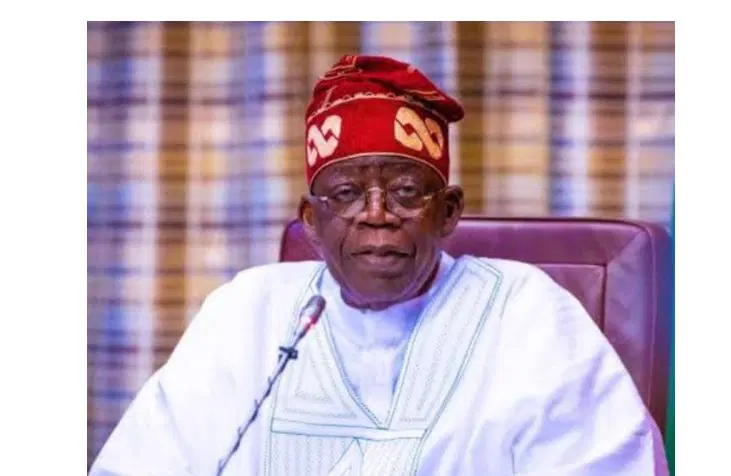
Tinubu’s Call to Governors
Last month, President Bola Tinubu urged state governors to prioritise citizens’ welfare by investing in rural electrification, agricultural mechanisation, poverty eradication, and infrastructure.
“I want to appeal to you; let us change the story of our people in rural areas. The economy is working. We are on the path of recovery, but we must stimulate growth in the rural areas,” Tinubu said.