Israel’s military has announced the opening of humanitarian corridors into the Gaza Strip after facing increasing international pressure and urgent warnings about a deepening hunger crisis. The Israel Defense Forces (IDF) also revealed that they would enforce a daily “local tactical pause” in military operations across three areas: Al Mawasi, Deir al-Balah, and Gaza City.
This development follows Israel’s first airdrop of humanitarian aid into Gaza, which reportedly included flour, sugar, and canned food. The aid drop was coordinated with international organizations and led by COGAT, the Israeli body that regulates entry into Gaza.
The corridors will operate daily from 06:00 to 23:00 local time, allowing UN agencies and humanitarian groups to distribute critical supplies across the strip. The tactical pause in military activity will occur from 10:00 to 20:00 local time each day until further notice.
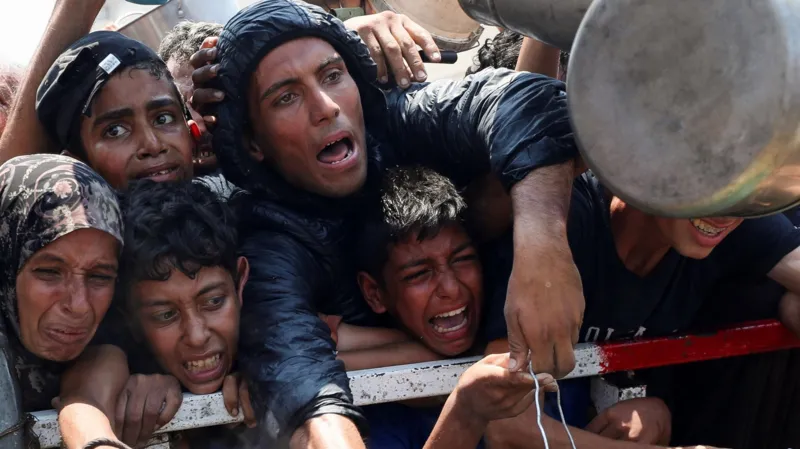
Despite these measures, the United Nations and aid organizations have yet to comment officially, although many have previously accused Israel of restricting aid to Gaza’s 2 million residents. The World Health Organization (WHO) has labeled the situation in Gaza “man-made mass starvation.”
According to Gaza’s Hamas-run health ministry, at least 125 people—85 of them children—have died from malnutrition in recent days. The UN agency for Palestinian refugees (UNRWA) criticized air drops as “costly, inefficient, and potentially deadly,” and reiterated the need for direct land access to deliver massive stockpiles of aid.
Israel has resumed electricity supply to one of Gaza’s desalination plants, which reportedly serves about 900,000 residents. However, daily reports continue to emerge of Palestinians being killed while attempting to receive aid—many allegedly shot by Israeli forces. The IDF claims it only fires warning shots and accuses Hamas of creating chaos at distribution points.
These steps come after Israel agreed to a Jordanian-UAE aid initiative, backed by the UK, involving air deliveries to Gaza. But aid agencies have warned that such efforts barely scratch the surface of the growing humanitarian emergency.
Local voices on the ground have echoed these concerns. A Gaza resident told BBC Arabic, “Air drops can land on tents and cause injuries or deaths. They are not safe.”
As food and clean water become increasingly scarce, one mother told reporters, “We have no food, no bread—not even water.”
Israel’s military offensive began following the October 7, 2023 Hamas attack, in which over 1,200 Israelis were killed and 251 taken hostage. Since then, over 59,000 Palestinians have been killed, according to local health officials.