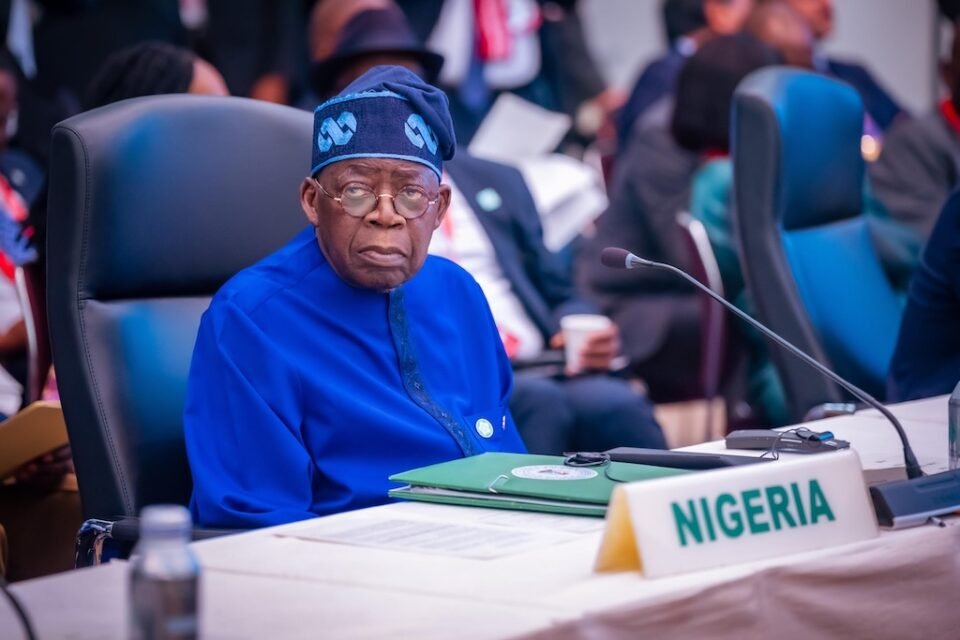
A year after President Bola Tinubu signed an executive order eliminating tariffs, VAT, and duties on pharmaceutical imports and raw materials, Nigerians are still grappling with skyrocketing drug prices, with many forced into self-medication and herbal alternatives.
The order, announced in June 2024, was designed to reduce production costs, boost local pharmaceutical manufacturing, and make essential medicines more affordable. But more than a year later, patients and pharmacists say the policy has barely been implemented, leaving life-saving treatments out of reach.
Prices Still Rising
Market surveys by The PUNCH show shocking price hikes across major drug categories:
- Insulin: up 29%, from ₦14,000 in June 2024 to ₦18,000 in August 2025.
- Exforge (hypertension drug): up 83%, from ₦32,800 to ₦60,000.
- Coartem (malaria treatment): up 124%, from ₦3,800 to ₦8,500.
- Artesunate injection: up 56%, from ₦1,600 to ₦2,500.
- Lokmal (antimalarial): up 104%, from ₦1,200 to ₦2,450.
Only a handful of medicines recorded drops: Augmentin fell by 24% (₦18,500 to ₦14,000), while Ventolin inhaler declined by 12% (₦8,500 to ₦7,500).
Why the Policy Failed
Pharmacists and medical experts blame:
- Slow implementation of the executive order.
- Nigeria’s 75% reliance on imports.
- High forex rates that inflate drug costs.
- Rising energy and logistics costs.
- Policy inconsistencies, such as a new 4% FOB import charge eroding tariff relief.
“The executive order is only on paper. Drug prices are still determined by forex and imports,” said Ambrose Ezeh, President of the Association of Community Pharmacists of Nigeria.
Patients Struggling
For patients, the impact is devastating.
- Diabetes patients report insulin now costs up to ₦20,000, with many unable to afford full doses.
- A malaria test and treatment that cost ₦10,000 last year now exceeds ₦19,000.
- A resident in Abuja said a simple catarrh drug rose from ₦4,000 to ₦24,000.
“Many Nigerians are forced into self-medication, rationing prescriptions, or turning to herbs because medicines are simply unaffordable,” said Dr. Tope Osundara, President of the Nigerian Association of Resident Doctors.
Experts Call for Action
Health stakeholders warn that without decisive action, the crisis will worsen. They urge the government to:
- Fully implement and enforce the executive order.
- Exempt pharmaceuticals from new levies like the FOB charge.
- Strengthen local drug manufacturing capacity.
- Expand health insurance coverage to reduce out-of-pocket payments.
- Commit at least 15% of national budget to healthcare, in line with the Abuja Declaration.
“Policies cannot be in isolation. If the government truly wants affordable drugs, it must harmonise policies, boost local production, and protect patients from profiteering,” said Frank Muonemeh of the Pharmaceutical Manufacturers Group.
For now, Nigerians continue to pay the price of a broken healthcare system — with medicine costs climbing faster than incomes, leaving millions sick, stranded, and without relief.