Tinubu: We’ll Clear Agricultural Roadblocks to Secure Nigeria’s Food Future
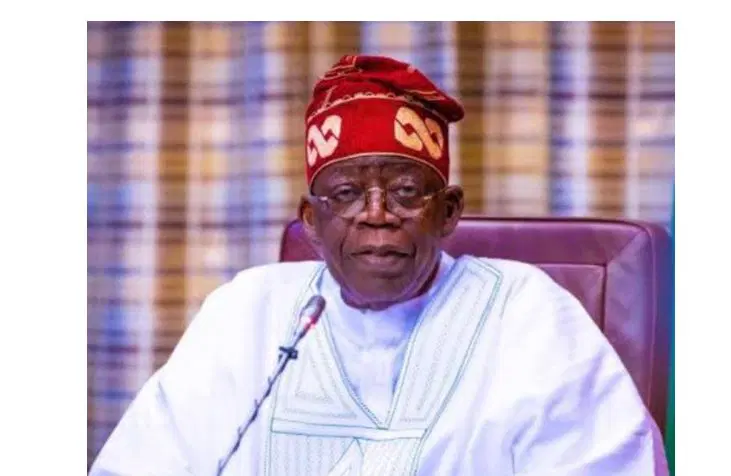
President Bola Ahmed Tinubu has vowed to dismantle all barriers stifling Nigeria’s agricultural growth, especially in livestock production, as part of a broader strategy to achieve food security and expand global exports.
The president made this commitment during a bilateral meeting with Brazilian President Luiz Inácio Lula da Silva on Saturday at the Copacabana Forte in Brazil.
According to a statement by Presidential Spokesperson Bayo Onanuga, Tinubu identified excessive bureaucracy as a key challenge slowing Nigeria’s agricultural development and stressed that reforms are underway to make the sector more competitive globally.
Key Highlights from the Tinubu-Lula Meeting:
🔹 Streamlining Bilateral Agreements
Tinubu assured that Nigeria would remove all technical obstacles delaying cooperation in trade, aviation, agriculture, energy, mining, and natural resources exploration.
“All technicalities in agreements between the two countries will be streamlined and fast-tracked,” Tinubu affirmed.
🔹 Boosting Livestock and Blue Economy
The Nigerian president emphasized his administration’s focus on livestock development, especially in poultry, fisheries, and cattle rearing, which he said are vital for food supply and job creation.
He also highlighted Nigeria’s blue economy as an area of great potential for long-term collaboration with Brazil in marine and aquatic resources.
🔹 Brazil Praised as Agricultural Model
Tinubu lauded Brazil’s global leadership in agricultural research and food production, describing the South American nation as a model Nigeria can emulate through strategic cooperation.
In response, President Lula echoed the urgency for reform, promising to update all bilateral agreements and eliminate bureaucratic hurdles. He pledged that Brazil’s institutions would partner with Nigeria to enhance livestock farming systems.
Nigeria’s Strategic Agricultural Priorities
Minister of Agriculture, Sen. Abubakar Kyari, reaffirmed Tinubu’s commitment to food sovereignty, noting that Nigeria’s fertiliser production advantage offers a major growth opportunity.
Minister of Livestock Development, Idi Maiha, identified animal health, sanitation, and genetic research as Nigeria’s top priorities in Brazil-Nigeria cooperation.
State and Diplomatic Support Grows
The meeting saw strong participation from Nigerian sub-national and federal officials. Governors from Benue, Ogun, Niger, Delta, and Lagos States joined the talks, underlining state-level alignment with the federal agricultural drive.
Other key figures present included Foreign Affairs Minister Yusuf Tuggar and NIA Director-General Mohammed Mohammed.
Ogun State Governor Dapo Abiodun highlighted that the upcoming Nigeria-Brazil Business Forum would inject fresh ideas and capital into Nigeria’s agricultural sector.
Conclusion: Food Security Now a National Priority
President Tinubu’s mission to reform Nigeria’s agriculture and cut through red tape is a major step toward securing food sovereignty. With Brazil as a strategic partner, the stage is set for a new era of agro-industrial transformation in Nigeria.