In a landmark 6-3 ruling, the US Supreme Court has dramatically curbed the ability of federal judges to issue nationwide injunctions against presidential executive orders — a major legal victory for Donald Trump, who celebrated the decision as a “monumental win.”
The case stems from Trump’s executive order aimed at ending birthright citizenship for children born in the US to undocumented immigrants — a constitutional right long enshrined under the 14th Amendment.
Trump’s Reaction and Legal Impact
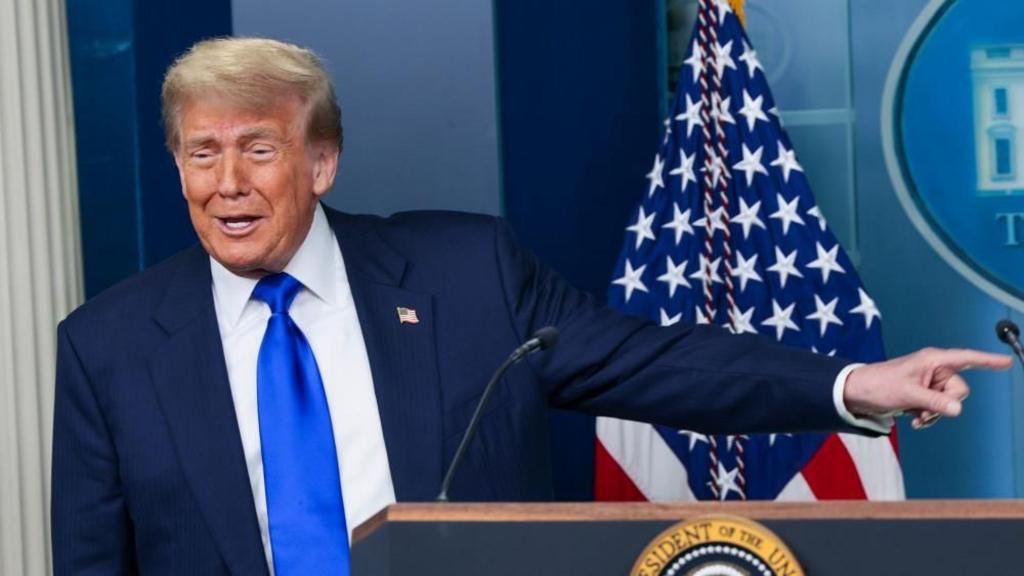
Speaking at the White House, the former president praised the Court’s decision as a crucial step toward restoring executive power. “This is a giant win,” Trump declared. “We’ve put a stop to the endless barrage of political rulings against the presidency.”
Attorney General Pam Bondi echoed the sentiment, stating that the ruling “shuts down rogue judges from blocking the president’s agenda with politically motivated injunctions.”
The ruling allows Trump’s birthright citizenship order to partially go into effect in 30 days, though the court did not rule on its constitutionality — a decision expected in a future session.
A Divided Court and Strong Dissent
Justice Amy Coney Barrett, writing for the majority, said lower courts should now limit injunctions to the specific plaintiffs involved in lawsuits, rather than enforcing nationwide blocks. However, she left the door open for states to argue for broader relief in exceptional cases.
Justice Sonia Sotomayor issued a blistering dissent, calling the ruling an “open invitation for the government to bypass the Constitution” and a blow to judicial oversight.
Legal scholars noted that while the ruling narrows the path for blocking executive actions, it does not eliminate it. “It narrowed the path, but it didn’t cut it off completely,” said University of Michigan law professor Margo Schlanger. She added that over 20 states could still sue on behalf of their citizens and potentially request broad relief.
Political Reactions: Democrats Decry, Republicans Applaud
Top Democrats condemned the decision. House Minority Leader Hakeem Jeffries said it “recklessly limited” courts’ ability to protect constitutional rights, while Senate Minority Leader Chuck Schumer warned it was “a terrifying step toward authoritarianism.”
In contrast, Republican leaders welcomed the ruling. House Speaker Mike Johnson said it ended “rogue” judicial overreach, and Vice President JD Vance remarked, “Everyone has to follow the law — including judges.”
Trump Press Conference Turns Wide-Ranging
During a nearly hour-long press briefing, Trump addressed not just the court ruling, but also Iran, tariffs, education, and immigration. He returned often to his claim that the birthright citizenship clause was “meant for the babies of slaves,” not modern immigration scenarios, and blamed the policy for enabling cartels to “get very bad people in.”
He concluded the briefing by calling it a “tremendous win for the Constitution” and congratulated Attorney General Bondi, saying she would be remembered as a “great attorney general.”
What’s Next for Birthright Citizenship?
The constitutionality of ending birthright citizenship remains unresolved. Bondi confirmed that the Supreme Court will revisit the case in its next session in October.
Meanwhile, lower courts have 30 days to adjust existing injunctions in line with the new Supreme Court guidance — a move that sets up further legal showdowns over one of the most contentious immigration issues in recent US history.