The United Nations Children’s Fund (UNICEF) has called on Nigerian journalists to embrace ethical reporting practices that protect vulnerable and traumatised children from further harm.
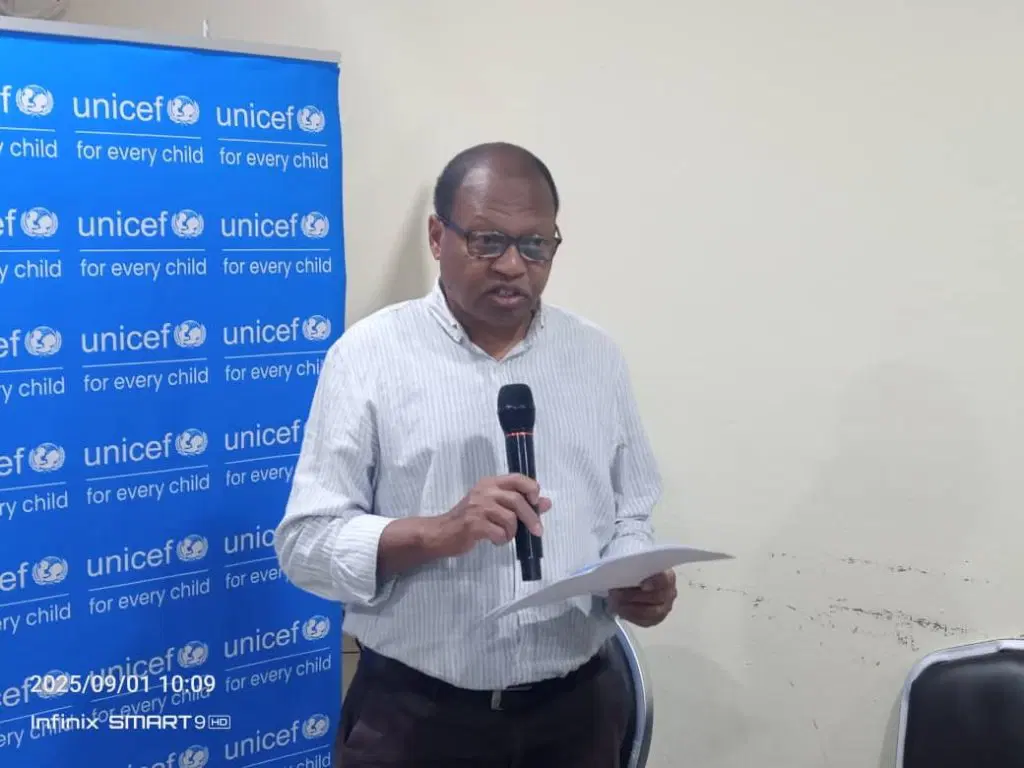
The appeal was made by Rahama Rihood Muhammed Farah, UNICEF’s Kano Field Officer, during a two-day training programme for selected media professionals on ethical journalism and child protection.
Farah warned against exposing the identities of children affected by violence, abuse, or domestic trauma, noting that publishing names or photographs could worsen their psychological pain and subject them to stigma.
“Journalists are admonished to conduct interviews with child victims only in the presence of their guardians and a psychologist,” he advised.
He explained that responsible journalism not only promotes peace but also builds public trust, while unethical reporting risks aggravating sensitive situations.
The training, held at Tahir Guest Palace in Kano, brought together journalists from Kebbi, Sokoto, and Zamfara States. Organisers expressed hope that participants would apply the principles of ethical reporting in their future work.
UNICEF reiterated that its core mission is to safeguard children’s rights and welfare in all countries where it operates, stressing that the media plays a crucial role in ensuring the protection of traumatised children in Nigeria.